Coldharbour Lane waste collection guide for Brixton flats
Posted on 03/07/2026
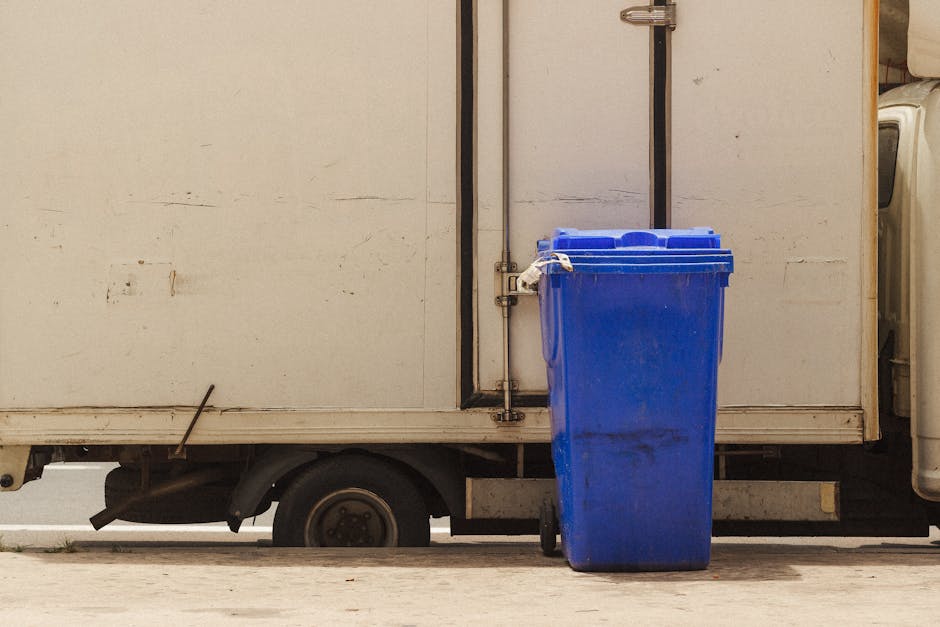
If you live in a flat on or near Coldharbour Lane, waste can become oddly complicated, fast. A small hallway, shared bins, awkward stairwells, recycling rules, and a landlord who wants everything kept tidy - it adds up. This Coldharbour Lane waste collection guide for Brixton flats is here to make that easier. Whether you are clearing old furniture after a move, dealing with weekly rubbish overflow, or trying to understand the best way to handle bulky items without upsetting neighbours, the right approach saves time, stress, and a few grim trips down the stairs.
To be fair, most people do not need a full lecture on rubbish. They need a practical, local answer: what goes where, how to avoid fly-tipping headaches, and when a professional collection makes more sense than trying to wrestle a sofa through a narrow landing at 8pm on a Sunday. Let's get into it properly.
Why Coldharbour Lane waste collection guide for Brixton flats Matters
Coldharbour Lane sits in one of Brixton's busiest, most lived-in stretches, and flats here often share the same practical headaches: limited storage, communal bin areas, and very little forgiveness for waste that is left in the wrong place. If you have ever stood with a bin bag in your hand, wondering whether it counts as general waste or recycling, you already know the feeling. One wrong move and suddenly the bin store is overflowing, the hallway smells, and nobody is thrilled.
Waste collection matters here for three simple reasons.
- Space is tight. Flats rarely have much room for rubbish to wait around.
- Shared living magnifies problems. One person leaving items out can create a mess for everyone.
- Access is often awkward. Narrow staircases, controlled entry points, and parking pressure can make disposal tricky.
In a street like Coldharbour Lane, where daily life moves quickly and buildings can vary from older conversions to newer apartment blocks, getting the waste routine right is not just neatness. It helps keep the building safer, cleaner, and more comfortable. For owners, tenants, landlords, and managing agents, it also reduces avoidable complaints and the kind of last-minute scrambles that nobody enjoys.
If you are interested in Brixton as a place to live or invest in, you may also find it useful to explore whether Brixton suits your lifestyle and the practical side of Brixton property investment. Waste management sounds like a tiny detail. It is not, really. In flat living, the tiny details are the whole game.
How Coldharbour Lane waste collection guide for Brixton flats Works
The basic system is straightforward, even if flat life makes it feel a bit less straightforward in practice. General household waste goes into the correct bin, recyclables go separately, bulky items need special handling, and anything hazardous must be treated with care. The challenge is not the principle. It is the logistics.
In a typical Brixton flat, waste collection may involve one or more of these routes:
- Routine bin use for everyday household rubbish and recycling.
- Communal bin store management for shared buildings with multiple households.
- Bulky waste removal for items like mattresses, sofas, broken wardrobes, or old appliances.
- Special disposal arrangements for heavier, awkward, or mixed waste after moves, refurbishments, or clear-outs.
Where people get caught out is assuming all waste behaves the same. It does not. A black bag is easy. A dismantled bed frame, an old freezer, and half a bag of packaging from a flat renovation? Different story.
For residents who need a broader service picture, the services overview is a good place to understand what kinds of collections are usually available. And if your situation is more of a one-off clear-out than a weekly bin issue, you may be closer to waste removal in Brixton than a simple bin top-up. Small distinction, big difference.
What makes flat waste trickier than house waste?
In a house, you can usually store rubbish near the front door or in a garden area until it is collected. In a flat, that flexibility vanishes. You are working with shared corridors, limited bin capacity, and neighbours who can see - and smell - exactly what is happening. There is also the nuisance factor of moving bulky waste down stairs or through lifts without damaging walls, doors, or your back. Truth be told, that's where many people decide they would rather pay for help than spend their Saturday in a wrestling match with an old sofa.
Key Benefits and Practical Advantages
When flat waste is handled well, the benefits are immediate. You do not need a dramatic transformation to feel the difference; you just need fewer blockages, fewer smells, and fewer bags left sitting around. It is the kind of improvement you notice on a rainy Tuesday when the bin store is finally usable.
- Cleaner communal areas: less clutter in bin stores, hallways, and entrance spaces.
- Lower neighbour friction: fewer awkward conversations about what went where.
- Better hygiene: less risk of pests, odours, and spills.
- More efficient moves and refurbishments: old items leave quickly instead of slowing everything down.
- Reduced risk of improper disposal: fewer chances of leaving waste outside at the wrong time.
There is also a practical money benefit, even if it is less obvious. Avoiding missed collections, repeated trips to the street, or accidental damage during self-moving can save more than people expect. And yes, sometimes the cheapest option upfront becomes the most expensive once you factor in time, taxi fares, parking stress, and a bruised elbow.
If your building is dealing with repeated overflow or a larger turnaround of tenants, it may be worth looking at broader house clearance support in Brixton rather than trying to patch the problem one bag at a time. That is especially true when the pile is not really rubbish anymore, but a mix of usable items, packaging, and bits of furniture that no one wants to carry.
Who This Is For and When It Makes Sense
This guide is useful for a fairly wide mix of people, which is one reason waste collection for flats is such a common local search. If you are on Coldharbour Lane and live in a flat, chances are some part of this will fit your situation.
- Tenants who need to clear everyday waste, bulky items, or move-out clutter.
- Landlords preparing a flat for new occupants.
- Managing agents dealing with shared bin areas or resident complaints.
- Owners doing decluttering, redecorating, or end-of-tenancy clean-ups.
- Letting teams handling urgent turnarounds between tenancies.
- Small blocks or conversions where bin capacity is often stretched.
It makes sense to use a structured collection service when:
- you have bulky or awkward items;
- your communal bins are already full;
- you do not have access to a vehicle big enough for disposal;
- you need a faster turnaround than the normal collection cycle allows;
- the items are mixed, heavy, or too much for a regular bin run.
Some readers only need help once in a while. Others need a reliable disposal rhythm every few months because flat life simply produces more packaging and more storage churn than expected. Anyone who has tried to unpack a flat in one evening knows how that goes. Box mountain. Then, somehow, box mountain plus delivery packaging mountain.
Step-by-Step Guidance
If you want to handle waste properly in a Brixton flat without turning it into a day-long drama, follow a sensible order. This is the part that saves time later.
- Sort the waste first. Split items into general rubbish, recycling, reusable belongings, and bulky waste. Do not wait until the last minute to do this. It always takes longer than people think.
- Check what can stay in the communal bins. Small household waste can often go in normal bins, but shared areas should never become a dumping ground for larger items.
- Identify anything that needs special handling. Mattresses, appliances, paint, sharp materials, and heavy building debris should be treated separately.
- Measure access points. Staircases, narrow corridors, internal doors, and lift sizes matter more than you expect. A sofa that looks fine in the living room may become a problem the moment it reaches the landing.
- Choose the right collection method. Decide whether the waste is ordinary, bulky, mixed, or part of a larger flat clearance.
- Book a collection at the right time. Early in the day is usually easier for access and less stressful for neighbours. Quiet weekday slots can also help.
- Prepare the items for removal. Bag loose waste, flatten boxes, and dismantle what can be safely taken apart.
- Leave access clear. Make sure stairwells, bin stores, and entry doors are not blocked on the day.
A lot of waste problems come from skipping the sorting stage. If you separate things properly at the start, the rest goes more smoothly. Nothing fancy. Just method.
A quick example of good flat prep
Imagine a two-bedroom flat near Coldharbour Lane after a tenancy change. There are two bin bags, a broken chair, a small bookcase, cardboard from a new mattress, and an old microwave. If all of that is left as one pile, it creates confusion. If it is sorted into bags, cardboard, and bulky items, the collection is faster and cleaner. Less back-and-forth. Less "whose thing is this?"
Expert Tips for Better Results
Here is where the little details matter. People often assume the big win is just "getting rid of waste." In practice, the best results come from avoiding the usual friction points.
- Keep a small recycling station inside the flat. One bag for cardboard, one for mixed recycling, one for general waste. Simple, but effective.
- Book bulky waste before it starts blocking rooms. Waiting too long usually turns a small clear-out into a stressful one.
- Label mixed items if different people are involved. Especially useful in shared flats or managed properties.
- Use strong bags and tape boxes shut. A split bag in a stairwell is one of those tiny disasters no one wants.
- Clear access routes before collection day. You will thank yourself later.
If your flat is in a building with regular churn, a periodic approach is better than constantly reacting. For some residents, pairing routine waste habits with occasional support from rubbish collection in Brixton or even office clearance-style clearing for mixed storage spaces can keep things under control. That second one sounds odd at first, I know, but storage cupboards, home workspaces, and spare rooms can build up in much the same way.
One more practical tip: if you are sorting after a move, photograph bulky items before moving them. Not for social media. Just in case you need to show a landlord, agent, or building manager what was removed. Saves a few awkward messages.
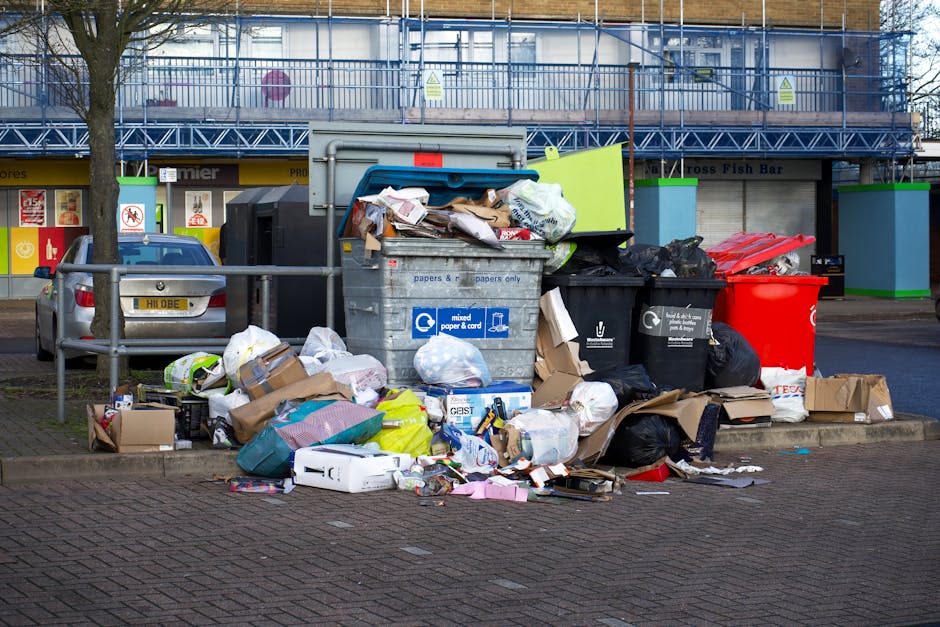
Common Mistakes to Avoid
Most waste problems in flats are not caused by bad intentions. They come from rushing, overestimating bin space, or assuming someone else will sort it out. Happens all the time.
- Leaving bulky items beside communal bins. This is one of the quickest ways to create building-wide irritation.
- Mixing recycling and general waste. It makes collection less efficient and can ruin otherwise tidy efforts.
- Blocking entry points or stairwells. Even temporarily, it creates safety and access issues.
- Ignoring special items. Old electronics, sharp material, and heavy debris should not be treated like normal bags.
- Overfilling bins because they are "almost" empty. That "almost" is doing a lot of work there.
- Waiting until moving day to deal with waste. Very stressful. Not recommended.
The last mistake is probably the most common. People clear the flat, then only at the end realise that packaging, broken bits, and surplus furniture need a separate plan. Better to build waste removal into the move or refurb timeline from the start. A little boring, yes. Also very effective.
Tools, Resources and Recommendations
You do not need a truckload of equipment to manage flat waste well, but a few simple tools help a lot. Nothing glamorous. Just the kind of everyday stuff that makes life easier.
| Tool or resource | Why it helps | Best use |
|---|---|---|
| Heavy-duty bin bags | Reduce splitting and leaks | General household waste and light mixed rubbish |
| Cardboard boxes | Keep recyclables organised | Flat moves, packaging, and loose lightweight items |
| Basic screwdriver or Allen key set | Helps dismantle furniture safely | Bed frames, shelves, small tables |
| Work gloves | Protect hands from sharp edges and dust | All handling tasks |
| Tape and labels | Helps sort items clearly | Shared flats and staged clear-outs |
| Collection planning notes | Keeps track of what is going out | Moves, clearances, and managed buildings |
On the service side, it is worth comparing whether you need a one-off collection, an ongoing waste solution, or a broader clearance job. Some flats only need occasional help. Others need a more all-in approach, especially after refurb work or a tenancy turnover. If that sounds familiar, builders waste disposal in Brixton can be relevant when there is debris from light DIY, ripped-out fixtures, or renovation leftovers.
For readers who want to understand how disposal fits into a responsible approach, the recycling and sustainability information is worth a look too. Waste collection should be efficient, yes, but also sensible. Nobody wants to solve one problem by making another.
Law, Compliance, Standards and Best Practice
For flat residents and landlords, waste handling is not just about convenience. In the UK, there are general responsibilities around storing, presenting, and disposing of waste properly, and those responsibilities become more visible in shared buildings. You do not need to memorise legislation to act responsibly, but you do need to avoid dumping, nuisance, and unsafe storage.
Good practice usually means:
- keeping communal areas clear;
- separating waste where reasonably possible;
- not leaving bulky items in shared access spaces;
- using appropriate disposal routes for mixed or heavy items;
- ensuring any contractor used is properly insured and works safely;
- avoiding anything that could create a fire, pest, or trip hazard.
For landlords and managing agents, this matters even more. A building that repeatedly accumulates waste can become harder to manage, less pleasant to live in, and more likely to generate complaints. It can also become a genuine safety issue. In practice, the best standard is usually simple: if the waste would annoy neighbours, block access, or look unsafe, it needs dealing with promptly.
If you are choosing a provider, check the basics carefully. A proper service should be clear about collection process, payment arrangements, and safety practices. It is also sensible to review insurance and safety details before booking. And if you want to understand service terms, the terms and conditions page can help set expectations without guesswork.
Options, Methods and Comparison
Different waste situations call for different solutions. Here is a plain-English comparison to help you decide what fits best.
| Method | Best for | Advantages | Watch-outs |
|---|---|---|---|
| Regular bin use | Daily household waste and recycling | Simple, low effort, familiar | Bins fill quickly in shared flats |
| Self-haul disposal | Small volumes if you have transport | Can be flexible | Time-consuming, parking and access issues |
| Bulky waste collection | Furniture, appliances, awkward single items | Convenient for one-off removals | Needs good access planning |
| Full flat clearance | Moves, landlord resets, major declutters | Covers mixed items in one go | Requires more planning and sorting |
| Specialist waste removal | Mixed, heavy, or unusual waste | Good for complex jobs | Best arranged before the pile grows |
As a rule of thumb, the more mixed the waste, the less useful a "just put it in bags" approach becomes. If the items are varied enough that you are second-guessing every other object, that is usually a sign you need a more structured collection method.
Case Study or Real-World Example
Here is a realistic scenario, based on the kind of thing that happens all the time in Brixton flats.
A couple in a first-floor flat off Coldharbour Lane had just finished moving in. They had a stack of cardboard from furniture deliveries, an old mattress they had inherited from a previous tenancy, a broken coffee table, and a handful of mixed bags from the final unpacking. At first, they planned to use the communal bins over a few days. Then the boxes started piling up in the hallway, the lift was too small for the larger items, and the bin store was already full by the end of the week.
Instead of trying to force everything into the next bin cycle, they sorted the waste into three groups: recycling, general rubbish, and bulky items. The cardboard was flattened, the loose bags were tied securely, and the furniture was removed in one planned visit. The result was simple: less clutter, no awkward mess in the communal areas, and a much calmer first week in the flat.
That sort of thing sounds minor until you live it. Then it feels like a small miracle.
Practical Checklist
Use this before collection day or before you start a clear-out.
- Sort waste into separate piles for recycling, general rubbish, and bulky items.
- Check bin capacity so you do not overload communal storage.
- Measure access routes for large items.
- Keep entrances and hallways clear for safety.
- Bag loose waste securely to prevent leaks and smells.
- Flatten cardboard so it takes up less space.
- Dismantle furniture where safe and practical.
- Separate anything hazardous or sharp.
- Confirm the collection time and make sure someone can grant access if needed.
- Do a final sweep of cupboards, behind doors, and storage areas before the job is done.
Expert summary: In flat living, good waste management is mostly about timing, sorting, and access. If those three things are handled well, everything else becomes much easier. If they are ignored, even a simple job can become a bit of a faff.
If your clear-out is larger than expected, or you want the job handled efficiently from start to finish, a professional waste removal or house clearance option can save a surprising amount of time and pressure.
Get a free quote today and see how much you can save.
Conclusion
Managing waste in Brixton flats is rarely about a single big problem. It is usually a collection of small ones: a full bin store, a heavy item waiting in the hallway, cardboard after a move, or a landlord trying to reset a flat quickly between tenancies. Coldharbour Lane is no exception. The good news is that once you understand the pattern, waste becomes much easier to control.
The best approach is simple: sort early, keep access clear, avoid leaving bulky items in shared spaces, and choose the right collection method for the job. That is really the heart of it. Nothing fancy, just a practical system that respects your neighbours and your own time.
And if you take only one thing from this guide, let it be this: staying on top of waste in a flat is less about perfection and more about consistency. Little and often beats heroic panic every time.
 Tipper Van - Waste Collection and Rubbish Removal Prices in Brixton, SW9
 Luton Van - Waste Collection and Rubbish Removal Prices in Brixton, SW9